Gelcoat & Composite Resin Capabilities in China
Use this gelcoat and composite resin directory to compare Chinese suppliers of polyester, vinyl ester, epoxy and surface coating systems for FRP production. Screen chemistry, viscosity and cure window, reinforcement compatibility, batch controls, regulatory documents and application support before plant trials.
Composite-grade resin systems, surface protection and formulation evidence
Compare Resin & Gelcoat sourcing evidence
Product-linked records and company-catalog candidates are labeled separately. Catalog matches are discovery leads, not confirmed offers. Check the linked profile for company roles, sources and review history. Sponsored records are identified below.
| Supplier / location | Recorded product scope | Evidence basis | Product MOQ / lead time | Source |
|---|---|---|---|---|
| Wanhua Chemical Group Co., Ltd. Yantai, Shandong, China | Polyurethane composite systems and epoxy-curing-agent raw materials | Product-linked directory record Order-specific documents required. Profile reviewed: | MOQ: request quotation Lead time: request quotation | Company website |
| Nanjing Jufa New Material Co., Ltd. Nanjing, Jiangsu, China | Polyurethane composite resins and epoxy resin systems | Product-linked directory record Order-specific documents required. Profile reviewed: | MOQ: request quotation Lead time: request quotation | Company website |
Product-family scope and evidence
GetFRP separates generally used engineering ranges from a supplier's commercial offer. Standards, properties and buying checks on this page define the questions for an RFQ; the linked company profiles identify the published source and the supplier- product relationship records the offer-specific evidence.
- Last editorial review
- 25 August 2026
- Supplier records linked
- 2
- Evidence status
- Rechecked per RFQ
Compare adjacent specifications before sending the RFQ
Specifications buyers and suppliers share
| Field | Typical range | Sourcing note |
|---|---|---|
| Chemistry | UP / vinyl ester / epoxy / PU / specialty | Name service and process, not just chemistry. |
| Processing | Viscosity, gel time, cure schedule, exotherm | Define the test temperature and catalyst basis. |
| Performance | Mechanical / HDT / corrosion / flame / weathering | Distinguish neat-resin from laminate values. |
| Documents | TDS / SDS / CoA / regulatory declarations | Check revision, language and legal entity. |
| Packaging | Drum / IBC / isotank where available | Confirm dangerous-goods and temperature controls. |
| Validation | Lab sample → plant trial → approved batch | Freeze the formulation and test method. |
When evaluating gelcoat systems, identify the exact grade, manufacturing site, shelf life, storage conditions and test method behind every published value. Approve the complete catalyst, accelerator, pigment and filler package on the buyer's actual reinforcement and process before scale-up.
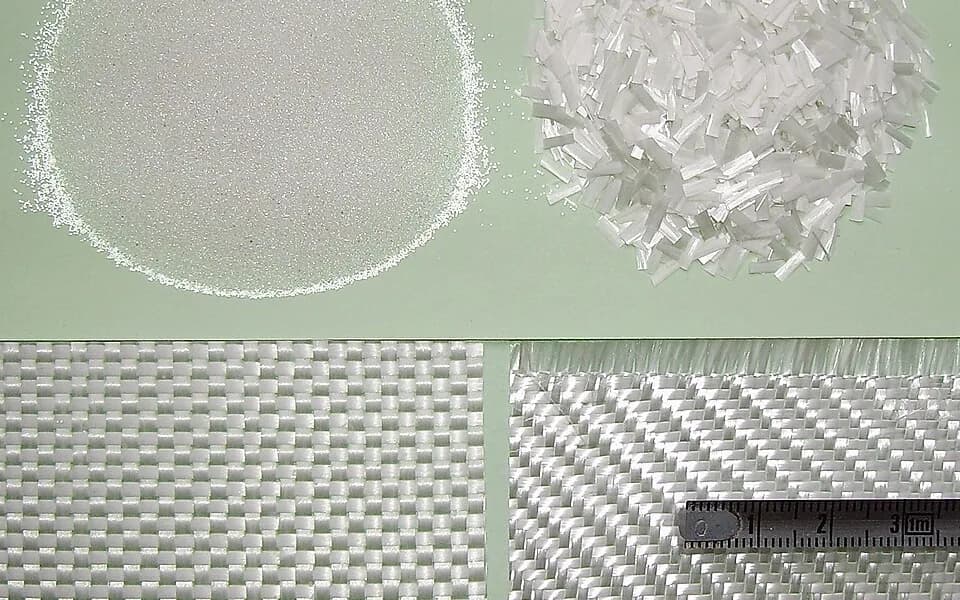
China’s composite-resin supply chain covers unsaturated polyester, vinyl ester, epoxy, polyurethane and application-specific gelcoats for pultrusion, winding, infusion, hand lay-up, RTM, SMC/BMC and coating. Grade names alone are not portable between producers. A sourcing specification should define process viscosity window, gel time or cure schedule, mechanical target, chemical exposure, flame requirement, colour and storage conditions.
For export procurement, consistency and documentation matter as much as the first laboratory result. Buyers should request a current technical datasheet, safety data sheet, certificate of analysis format, shelf life, storage temperature, inhibitor or promoter condition, dangerous-goods classification and packaging. Gelcoat RFQs should also define application method, target wet-film thickness, UV and water exposure, colour tolerance, gloss and whether the system is mould-side or post-applied.
GetFRP compares public manufacturer and formulation-capable supplier profiles by chemistry, process, end use, capacity tier, export packaging and available evidence. Buyers can visit the company profile or official website before requesting a quote. Before a production order, the recommended route is a controlled lab sample followed by a plant trial using the buyer’s reinforcement, catalyst package, ambient condition and equipment, with acceptance criteria recorded before scale-up.
Gelcoat selection, weathering performance and mold preparation
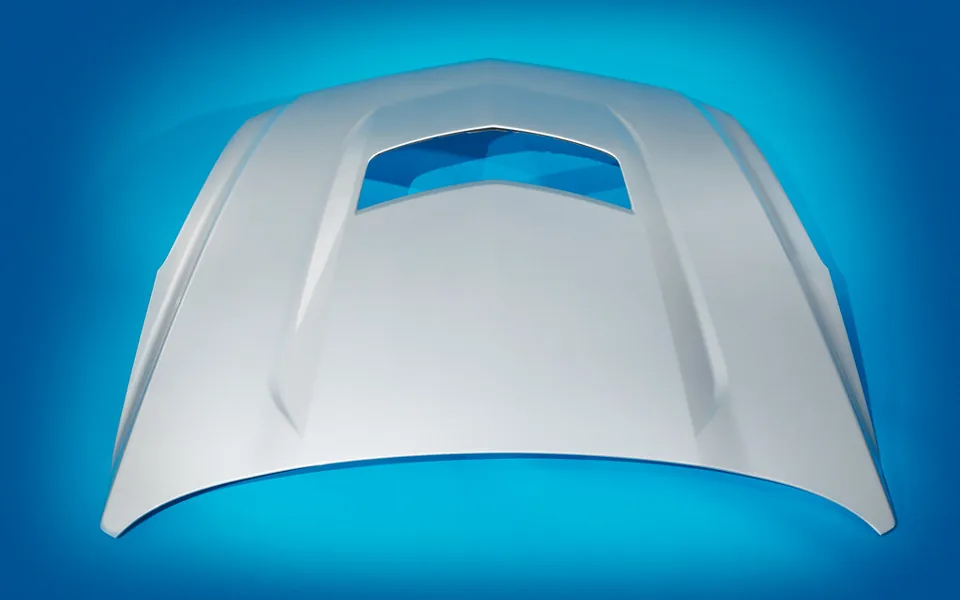
Gelcoat formulations serve as the primary protective barrier shielding structural composite laminates against ultraviolet degradation, chemical attack, moisture ingress and cosmetic chalking. For marine, architectural and sanitary moldings, isophthalic and neopentyl glycol (ISO/NPG) chemistries provide superior hydrolytic stability and osmotic blister resistance compared with standard orthophthalic grades.
When specifying colored or clear surface systems, procurement briefs must define application parameters (airless spray, HVLP or brush), wet-film thickness targets (typically 0.4 to 0.6 mm), thixotropic index, sag resistance on vertical tooling, and post-cure windows. Tool preparation, compatible vinyl ester barrier coats, release waxes and catalyst metering directly govern surface porosity, demolding release and long-term gloss retention.
Suppliers connected to Resin & Gelcoat
Review the evidence table above to distinguish product-linked records from company-catalog candidates. Company verification does not certify every offered specification. Request current product-level documents.
Wanhua Chemical is a global advanced-materials and chemical producer headquartered in Yantai, Shandong. Its official site organizes the business across polyurethanes, petrochemicals, performance chemicals and emerging materials, with 14 principal production complexes in China and Europe. For composites, Wanhua publishes foaming and non-foaming polyurethane resin systems, glass-fiber-reinforced PU pultrusion and HP-RTM solutions, plus specialty amines and epoxy-curing-agent raw materials for FRP, high-pressure pipe, prepreg and laminate applications. The present company was established in 1998, with operating roots in a synthetic-leather and MDI project begun in 1978.

Founded in 2018, Nanjing Jufa New Material Co., Ltd. develops polyurethane and polyurethane-modified resin systems for fiber-reinforced composites. Its official website publishes material solutions for pultrusion, filament winding, RTM/vacuum infusion, wet compression molding, SMC and prepreg processing. Through cooperation with Kangda New Materials, the published supply scope also includes epoxy resins and polyurethane, epoxy and acrylic adhesives. Jufa highlights applications including photovoltaic frames and supports, energy-efficient window frames, composite pipe, high-speed rail components, chemical cable trays, wind energy and energy storage.
Validate the material, supplier and landed cost
Vinyl ester is generally selected for stronger corrosion resistance and toughness, while isophthalic polyester can be economical for moderate industrial exposure. The decision needs the actual chemical, concentration, temperature, stress and service life. Confirm it with resin guidance and a representative laminate trial.
Only after normalising solids, additives, packaging, Incoterm, dangerous-goods cost, shelf life and process yield. A lower resin price can be offset by slower cure, higher scrap, extra promoters or a poorer surface. Compare cost per accepted part or laminate output.
Use a defined substrate, application method, wet-film thickness and cure. Record colour standard, gloss, surface, weathering requirement and measurement geometry. Keep a signed master panel and define the allowable colour difference for production batches.
Resin behaviour changes with reinforcement, part thickness, catalyst system, temperature, humidity, mixing and equipment. A plant trial validates flow, wet-out, cure, exotherm, surface and cycle time under the actual process before commercial volume is committed.