Compare FRP Rebar Manufacturer Capabilities in China
Use this FRP rebar manufacturer directory to compare Chinese GFRP and fiberglass reinforcement factories for bridges, tunnels, marine works and concrete slabs. Review bar geometry, resin system, bond performance, tensile evidence, production controls and export documentation against the project standard.
Concrete reinforcement for bridges, tunnels, marine works and slabs
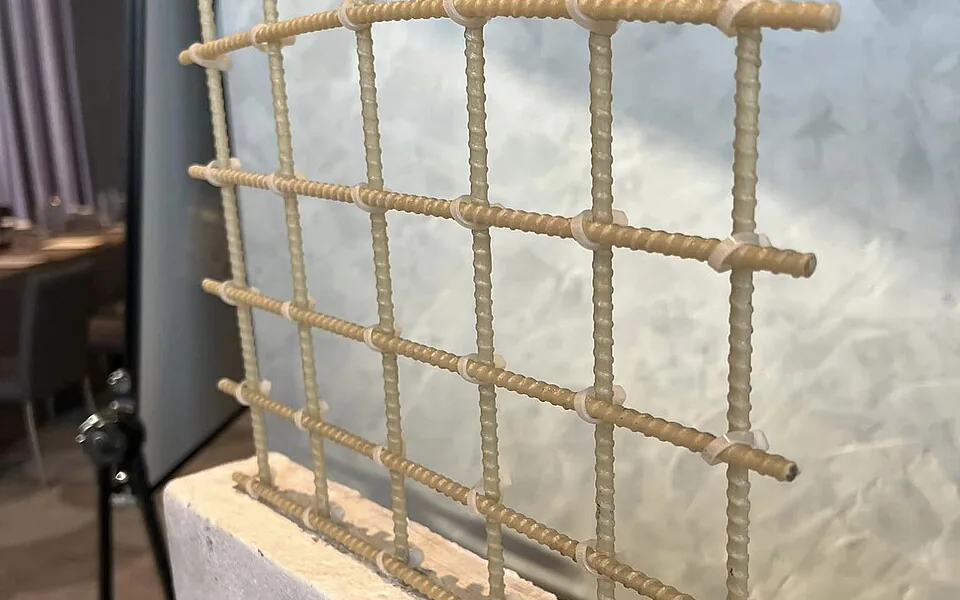
Product-family scope and evidence
GetFRP separates generally used engineering ranges from a supplier's commercial offer. Standards, properties and buying checks on this page define the questions for an RFQ; the linked company profiles identify the published source and the supplier- product relationship records the offer-specific evidence.
- Last editorial review
- 25 August 2026
- Supplier records linked
- 0
- Evidence status
- Rechecked per RFQ
Compare adjacent specifications before sending the RFQ
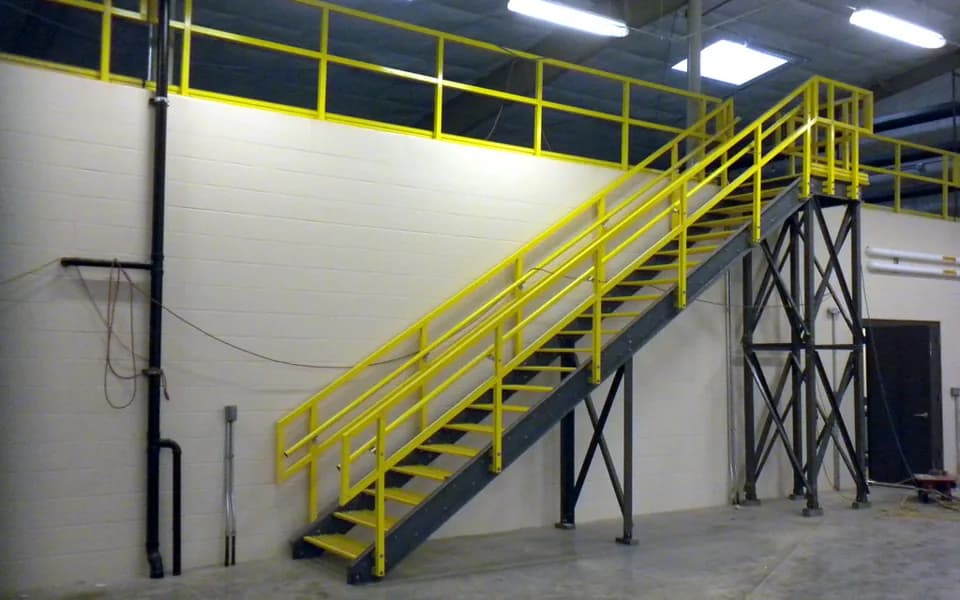
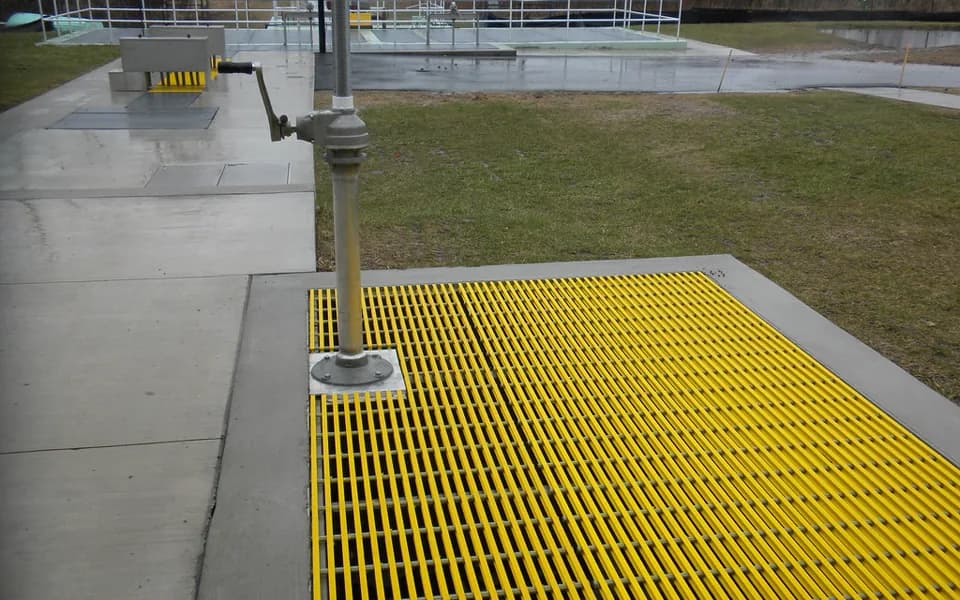
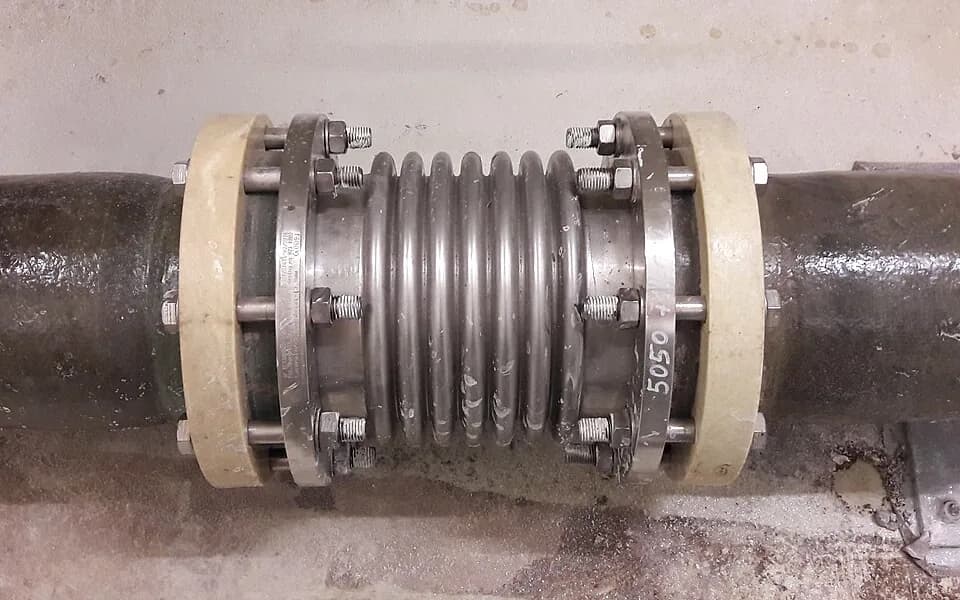
Specifications buyers and suppliers share
| Field | Typical range | Sourcing note |
|---|---|---|
| Fibre | E-glass / ECR-glass / basalt / carbon | State the exact reinforcement family. |
| Diameter | Common nominal sizes about 6–32 mm | Define nominal area and tolerance method. |
| Surface | Sand-coated / wrapped / ribbed | Tie bond evidence to the offered surface. |
| Tensile basis | ASTM D7205 or project method | Request minimum value, modulus and failure mode. |
| Form | Straight lengths / coils / factory-formed bends | Set coil diameter and straightness limits. |
| Traceability | Batch ID, fibre/resin records, test certificate | Link every shipment to the approved test basis. |
When shortlisting an FRP rebar manufacturer, verify that tensile, modulus, bond, durability and bend evidence covers the offered diameter, surface and production site. Freeze couplers, bend restrictions, bundle identity, ultraviolet protection and handling instructions before commercial approval.
China supplies glass- and basalt-fibre composite reinforcement for bridges, seawalls, tunnels, slabs, magnetic-sensitive facilities and corrosion-prone concrete. FRP rebar is anisotropic and does not yield like steel, so procurement cannot be separated from design assumptions. The RFQ should identify fibre type, nominal diameter, guaranteed tensile property, modulus, bond surface, bend or straight-bar requirement, design code and whether values are minimum, characteristic or typical.
Surface geometry is central to bond performance. Sand-coated, helically wrapped, ribbed and hybrid surfaces can behave differently even at the same diameter. Buyers should request the bar-area definition, test method, grip system, free length, failure mode and laboratory accreditation behind tensile claims. For bent bars or stirrups, confirm whether bends are moulded during manufacture; field bending thermoset FRP rebar is generally not treated like bending steel.
Cost comparison should consider installed life rather than replacing steel tonnes one-for-one. FRP is lighter and corrosion resistant, but design ratios, lap lengths, handling rules and code familiarity affect project economics. GetFRP lets buyers review public manufacturing and test capability before contacting a supplier, then coordinates samples and current evidence when sourcing support is requested. This keeps early comparison focused on engineering fitness rather than a misleading price-per-tonne ranking.
Suppliers connected to FRP Rebar
Review the evidence table above to distinguish product-linked records from company-catalog candidates. Company verification does not certify every offered specification. Request current product-level documents.
Supplier relationships are being reviewed.
Submit an RFQ and the sourcing desk will verify a shortlist.
Validate the material, supplier and landed cost
The ACI 440 family covers design, construction and qualification topics for FRP reinforcement, but the applicable document and edition depend on project jurisdiction and structure type. Procurement should follow the engineer’s design basis and pair it with an accepted bar test method such as ASTM D7205 where specified.
Not necessarily on material price per unit, and tonnes are a poor comparison because density and design behaviour differ. FRP may reduce transport, handling and corrosion-life costs, but required reinforcement ratio, lap length, detailing and local code approval determine installed value.
Thermoset GFRP bars should not be assumed to bend like steel. Bends are normally manufactured to the required geometry under a controlled process. Give the supplier a bar-bending schedule and minimum radius, then approve geometry and properties before production.
Ask for bar geometry, fibre and resin declaration, tensile strength and modulus, bond or pull-out evidence where required, test methods, laboratory identity, batch traceability, production capacity and packaging method. Separate current product evidence from general company certificates.