1. Carbon fiber prepreg types compared: UD tape, fabric, 120 °C and 180 °C epoxy, BMI and thermoplastic
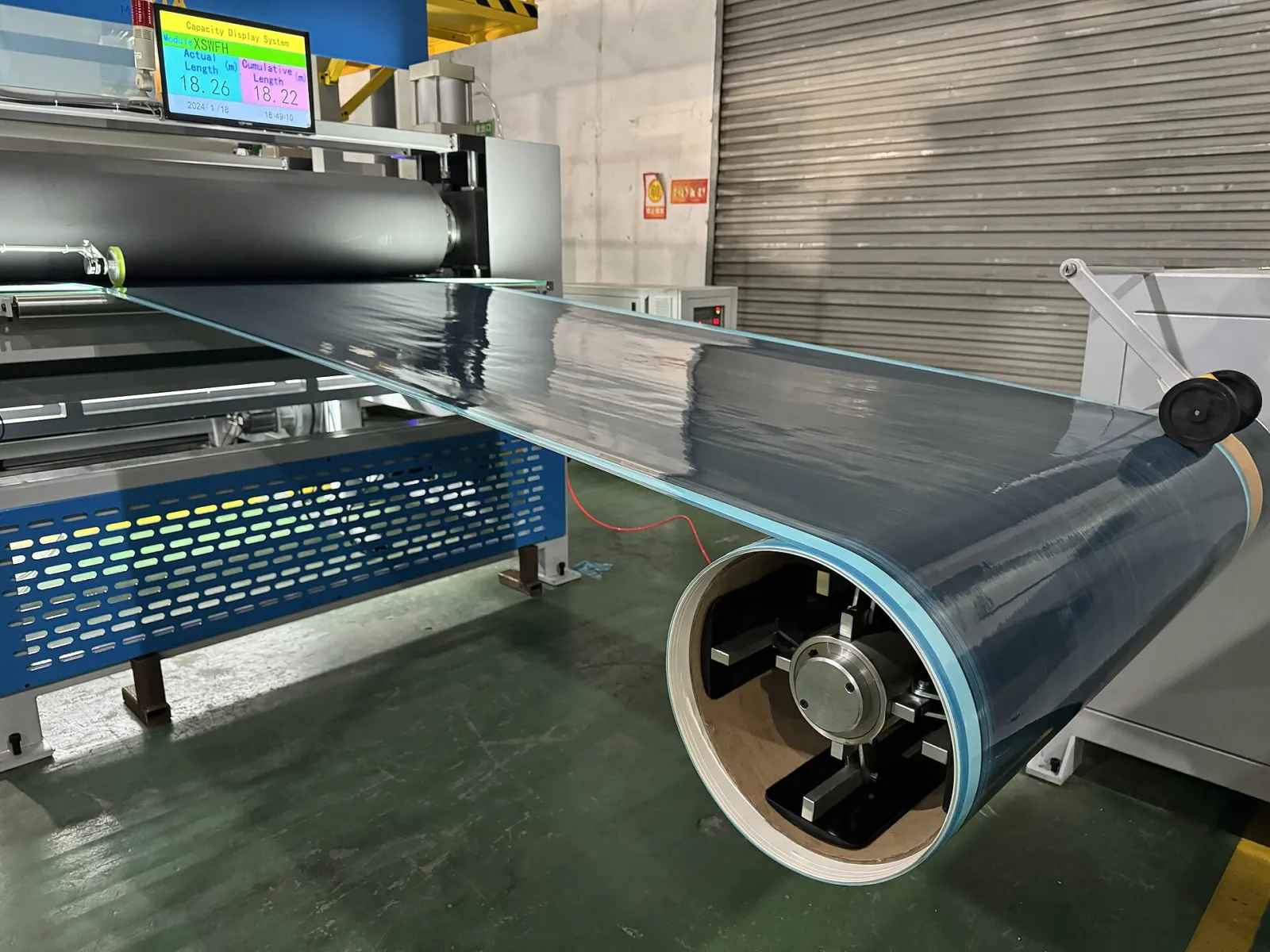
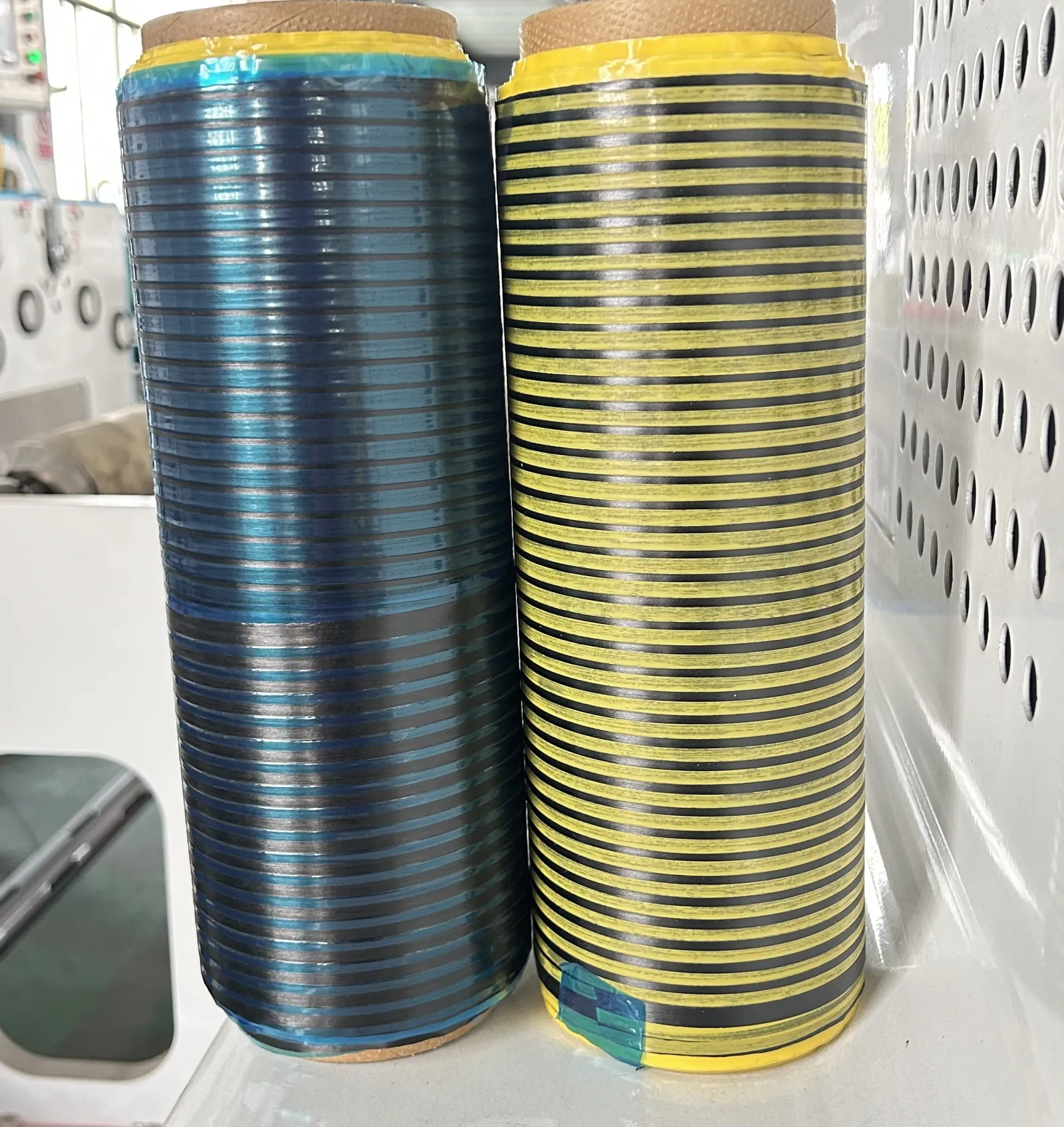
A prepreg is reinforcement pre-impregnated with a partly reacted (B-staged) resin at a controlled ratio, so the format, resin chemistry and cure temperature are bought together. Unidirectional (UD) tape puts all fiber in one direction and gives the thinnest plies: HexPly 8552 on AS4 or IM7 at 134 g/m² and 35% resin cures to 0.130 mm per ply at about 57.4% fiber volume [S1]. Woven fabrics drape better and resist handling damage but carry more resin: the same resin on 193 g/m² plain-weave AS4 is supplied at 37% resin and cures to 0.195 mm per ply at 55.3% fiber volume [S1].
Cure temperature divides the market. The 120 to 135 °C systems are the industrial, sports and out-of-autoclave workhorses: Toray 2510 cures at 121 to 132 °C with a dry Tg of 146 °C [S4], and Mitsubishi Chemical Advanced Materials' CP-series epoxies mostly cure between 70 and 180 °C with onset Tg of 115 to 170 °C without post-cure [S9]. The 180 °C toughened epoxies carry primary aerostructures: 8552 is an amine-cured toughened epoxy with 200 °C dry and 154 °C wet Tg, developed for service up to 121 °C [S1]; M21 is a very tough 180 °C matrix with 195 °C Tg that tolerates thick laminates up to 48 mm [S2]; Toray 3900 cures at 177 °C to a 204 °C dry Tg [S5]. Above that sit bismaleimide (BMI) systems: Hexcel's BMI tooling compound needs a minimum initial cure of 190 °C and post-cures to a 275 °C Tg [S11]. Guangwei lists epoxy, BMI, cyanate ester and phenolic matrices across its prepreg range [S25].
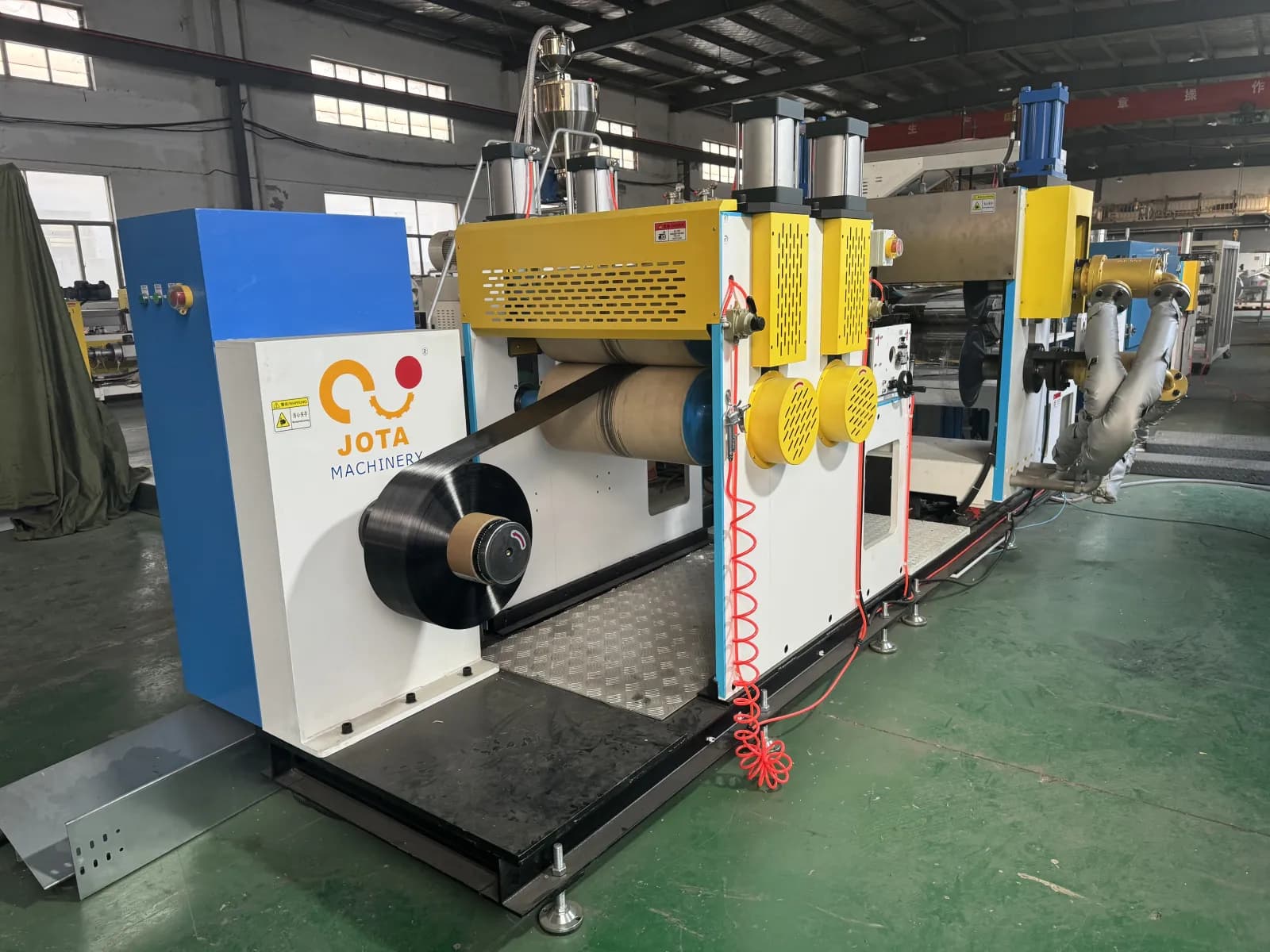
Thermoplastic UD tapes, with fully polymerized matrices, are a separate supply chain that is processed by melting and consolidation rather than cure; China standardized the glass-fiber version as GB/T 43308-2023 [S14]. They are outside the cold-chain discussion that follows.
↔ Scroll horizontally to see the full chart and data table.
Source: Hexcel, Toray, Syensqo (via NASA and NCAMP), Mitsubishi Chemical Advanced Materials and Easy Composites datasheets. Reference temperatures differ: 21–23 °C for Hexcel, 22 °C (72 °F) for Toray, room temperature for MCAM. CYCOM 977-3 is the manufacturer limit as cited by NASA.
View the chart data and evidence
| Series | Category | Value | Unit | Evidence / value basis | Reported range | Point note |
|---|---|---|---|---|---|---|
| — | MCAM CP003 (industrial epoxy) | 42 | days | Company data | — | — |
| — | Toray 3960 | 40 | days | Company data | — | — |
| — | HexPly 8552 | 30 | days | Company data | — | — |
| — | HexPly M21 | 30 | days | Company data | — | — |
| — | CYCOM 977-3 | 30 | days | Company data | — | — |
| — | HexPly M77HF | 30 | days | Company data | — | — |
| — | Toray 2510 | 28 | days | Company data | — | — |
| — | HexTool M61 (BMI, work life) | 20 | days | Company data | — | — |
| — | Toray 3900 | 10 | days | Company data | — | — |
| — | MCAM CP012 (fast cure) | 7 | days | Company data | — | — |
| System (supplier) | Class | Cure | Dry Tg | Out-life at room temperature | Frozen storage life | Typical use |
|---|---|---|---|---|---|---|
| HexPly 8552 (Hexcel) [S1] | 180 °C toughened epoxy | 110 °C dwell, 180 °C for 120 min, 7 bar | 200 °C | 30 days at 23 °C (tack 10 days) | 12 months at −18 °C | Primary aerostructures |
| HexPly M21 (Hexcel) [S2] | 180 °C very tough epoxy | 180 °C for 120 min, 7 bar; 150 °C dwell for 15–48 mm | 195 °C | 30 days at 23 °C (tack 10–15 days) | 12 months at −18 °C | Primary aerostructures, thick laminates |
| CYCOM 977-3 (Syensqo) [S6] | 180 °C toughened epoxy | 177 °C for 360 min (NASA study cycle) | not stated in source | 30 days, manufacturer limit cited by NASA | not stated in source | Aerospace structures |
| Toray 3900 [S5] | 180 °C toughened epoxy | 177 °C for 120 min | 204 °C | 10 days at 22 °C | 24 months at −12 °C or colder | Aerostructures (T800S, T830H) |
| Toray 3960 [S5] | 180 °C epoxy | 177 °C for 120 min | 196 °C | 40 days at 22 °C | 24 months at −12 °C or colder | T1100G structures |
| CYCOM 5320-1 (Syensqo) [S7][S8] | Vacuum-bag-only toughened epoxy | 121 °C then 177 °C, 120 min each | 180–200 °C (qualification range) | see supplier specification | see supplier specification | Out-of-autoclave aerostructures |
| Toray 2510 [S4] | Out-of-autoclave epoxy | 132 °C for 120 min, oven | 146 °C | 28 days at 22 °C | 24 months below −12 °C | General aviation, OOA structures |
| HexPly M77HF (Hexcel) [S3] | Fast-cure industrial epoxy | 3 min at 149 °C; 10 min at 121 °C | 130 °C | 30 days at 23 °C | 18 months at −18 °C | Press-molded and tube parts |
| MCAM CP-series (Mitsubishi Chemical) [S9] | Industrial epoxy, furan, phenolic | 70–180 °C for most grades; 500 to 3 min | 115–205 °C onset | 3–42 days | not stated in source | Automotive, rail, industrial |
| HexTool M61 (Hexcel) [S11] | BMI tooling compound | Initial cure from 190 °C, post-cure | 275 °C | 20 days at 21 °C | 12 months at −18 °C | High-temperature tools |
Source: Manufacturer datasheets and qualification documents as cited; Fahrenheit values converted to Celsius and rounded. 'Not stated' means the cited source gives no value.
2. Resin content, areal weight, tack and volatiles: the numbers that define a prepreg
Four numbers fix a prepreg's identity on the purchase order. Fiber areal weight (FAW) in g/m² sets cured ply thickness; resin content by weight sets fiber volume and laminate weight; volatile content governs porosity; tack decides whether plies stay where they are laid. NCAMP's specification for CYCOM 5320-1 on T650 3K plain weave shows what qualified tolerances look like: resin content 37 ± 2% on the batch average and ± 3% on individual specimens by ASTM D3529, FAW 193 ± 8 g/m² average and ± 9 g/m² individual, volatiles no more than 2% by ASTM D3530, resin flow 3 to 15% by ASTM D3531 and tack Level IV, tested across the roll width from left, center and right [S8].
Resin content changes how a price per square meter should be compared. At 37% resin, 193 g/m² of fiber carries about 113 g/m² of resin, so the roll weighs about 306 g/m²; at 42% resin a 210 g/m² fabric weighs about 362 g/m² (GetFRP estimate: resin = FAW × RC ÷ (1 − RC)) [S8][S12]. Two quotes at the same price per square meter but different resin content are not the same fiber price, and a price per kilogram rewards the supplier who adds resin.
Tack is a handling property that degrades before the out-life expires: HexPly 8552 gives 10 days of tack against 30 days of out-life, M21 10 to 15 days depending on lay-up method [S1][S2]. Gurit notes that tack falls sharply at low shop temperature and advises low humidity to avoid condensation [S10]. If the parts are laid by automated tape laying or fiber placement, ask for the tack and backing-paper release data for that process, because slit tape behaves differently from hand-laid broadgoods.
↔ Scroll horizontally to see the full chart and data table.
Source: Fiber areal weights and resin contents from Hexcel, NCAMP and Easy Composites [S1][S8][S12][S13]. * Resin mass = FAW × RC ÷ (1 − RC), GetFRP estimate; volatiles ignored.
View the chart data and evidence
| Series | Category | Value | Unit | Evidence / value basis | Reported range | Point note |
|---|---|---|---|---|---|---|
| Fiber | 8552 UD, 134 gsm, 35% RC | 134 | g/m² | GetFRP estimate | — | — |
| Fiber | 5320-1 3K PW, 193 gsm, 37% RC | 193 | g/m² | GetFRP estimate | — | — |
| Fiber | XC110 3K twill, 210 gsm, 42% RC | 210 | g/m² | GetFRP estimate | — | — |
| Fiber | XC130 12K twill, 450 gsm, 38% RC | 450 | g/m² | GetFRP estimate | — | — |
| Resin | 8552 UD, 134 gsm, 35% RC | 72 | g/m² | GetFRP estimate | — | — |
| Resin | 5320-1 3K PW, 193 gsm, 37% RC | 113 | g/m² | GetFRP estimate | — | — |
| Resin | XC110 3K twill, 210 gsm, 42% RC | 152 | g/m² | GetFRP estimate | — | — |
| Resin | XC130 12K twill, 450 gsm, 38% RC | 276 | g/m² | GetFRP estimate | — | — |
3. Prepreg shelf life at −18 °C and out-life: how the two clocks work
Hexcel's definitions are the industry's working vocabulary. Shelf life is the maximum storage life from the date of manufacture when stored continuously in a sealed moisture-proof bag at −18 °C; out-life is the maximum accumulated time at room temperature between removal from the freezer and cure; tack life is the shorter period during which the material stays tacky enough for easy lay-up [S1][S2]. The key word is accumulated: every hour above freezer temperature counts, including time on a loading dock, in a failed reefer and during thaw.
Freezer specifications differ by supplier, which matters when a buyer's freezer runs warmer than the producer's. Hexcel rates 8552 and M21 at 12 months at −18 °C and M77HF at 18 months [S1][S2][S3]; Toray rates 2510, 3900 and 3960 at 24 months at −12 °C (10 °F) or colder [S4][S5]. Tooling prepregs are shorter: Toray's HX56 tooling epoxy lists six months at −18 °C [S31]. Industrial systems vary more: Mitsubishi Chemical Advanced Materials lists out-lives from 3 to 42 days across its CP series [S9].
Datasheet limits are conservative but contractual. A NASA study aged IM7/977-3 prepreg for up to 60 days at room temperature, twice the manufacturer's 30-day out-time limit, and still produced quality autoclave laminates [S6]. That is evidence of margin for engineering disposition, not permission: a qualified part program will reject material outside the documented out-life unless a re-test procedure is written into the specification. Gurit's guidance is to keep a per-roll record of time spent unfrozen and to re-wrap and refreeze unused material [S10].
| System | Frozen storage life | Out-life | Tack life | Note |
|---|---|---|---|---|
| HexPly 8552 | 12 months at −18 °C from manufacture | 30 days at 23 °C | 10 days at 23 °C | Definitions printed on the datasheet [S1] |
| HexPly M21 | 12 months at −18 °C from manufacture | 30 days at 23 °C | 10–15 days at 23 °C, by lay-up method | Hand lay-up, ATL, AFP [S2] |
| HexPly M77HF | 18 months at −18 °C | 30 days at 23 °C | 10 days at 23 °C | Industrial quick cure [S3] |
| Toray 2510 | 24 months below −12 °C | 28 days at 22 °C | Optimum at 22 °C and 65% RH | Out-of-autoclave [S4] |
| Toray 3900 | 24 months at −12 °C or colder | 10 days at 22 °C | not stated | 180 °C aerospace epoxy [S5] |
| Toray AmberTool HX56 | 6 months at −18 °C | 60 hours at 18 °C (48 h pre-cut) | not stated | Tooling prepreg [S31] |
| Easy Composites XC110 | 12 months at −18 °C | 30 days at 20 °C | not stated | Retail out-of-autoclave prepreg [S12] |
Source: Manufacturer datasheets and product pages as cited; temperatures converted from Fahrenheit where needed.
4. Cure cycles: autoclave, out-of-autoclave and fast press cures
The cure cycle is part of the material specification, and changing it requalifies the laminate. HexPly 8552's monolithic cycle applies full vacuum, then 7 bar autoclave pressure, reduces vacuum to a 0.2 bar safety level once pressure reaches about 1 bar, heats at 1 to 3 °C per minute to a 60-minute dwell at 110 °C, heats again to 180 °C for 120 minutes, cools at 2 to 5 °C per minute and vents at 60 °C or below; sandwich parts use 3.2 bar [S1]. M21 drops the intermediate dwell for laminates under 15 mm but adds a 180-minute hold at 150 °C for 15 to 48 mm [S2]. The NASA 977-3 study used a single 360-minute hold at 177 °C [S6].
Out-of-autoclave systems replace pressure with time under vacuum. NCAMP's process specification for CYCOM 5320-1 requires at least 28 inches of mercury, a leak check of no more than 1 inch of mercury in 5 minutes, and a pre-cure vacuum hold of 4 hours for panels up to 4 ft² and 16 hours above that, before holds at 121 °C and 177 °C started on the lagging thermocouple [S7]. Toray recommends at least three hours of vacuum before its 2510 oven cure, 16 hours for thick laminates, a leak rate under 2 inches of mercury in 5 minutes, and a 132 °C hold for 120 minutes [S4].
Industrial and sports prepregs compress the cycle. HexPly M77HF cures in 3 minutes at 149 °C, 6 minutes at 127 °C or 10 minutes at 121 °C [S3], and MCAM's fast-curing CP012 cures in 15 to 3 minutes between 120 and 180 °C [S9]. Cycles that short only work in heated steel or aluminum press tools, which is a tooling decision as much as a material one.
↔ Scroll horizontally to see the full diagram.
| System | Pressure | Ramp | Holds | Leak or vacuum requirement |
|---|---|---|---|---|
| HexPly 8552, monolithic | 7 bar gauge (3.2 bar for honeycomb) | 1–3 °C/min | 110 °C × 60 min; 180 °C × 120 min | Full vacuum, then 0.2 bar safety vacuum [S1] |
| HexPly M21, under 15 mm | 7 bar gauge | 1–2 °C/min actual part rate | 180 °C × 120 min | Full vacuum, then −0.2 bar [S2] |
| CYCOM 977-3 (NASA study) | Autoclave | 0.28 or 1.11 °C/min | 177 °C × 360 min | not stated [S6] |
| CYCOM 5320-1 (NCAMP) | Vacuum only | 1–5 °F/min (0.6–2.8 °C/min) | 121 °C × 120 min; 177 °C × 120 min | ≥28 inHg; ≤1 inHg drop in 5 min; 4–16 h pre-cure hold [S7] |
| Toray 2510, oven | Vacuum only | 0.6–2.8 °C/min | 132 °C × 120 min | ≥28 inHg at sea level; <2 inHg in 5 min [S4] |
| HexPly M77HF | Press or bladder; 85 psig minimum in autoclave | — | 149 °C × 3 min; 121 °C × 10 min | not applicable [S3] |
Source: Manufacturer datasheets, an NCAMP process specification and a NASA study as cited.
5. How to ship prepreg internationally: reefer containers, dry ice, loggers and IATA rules
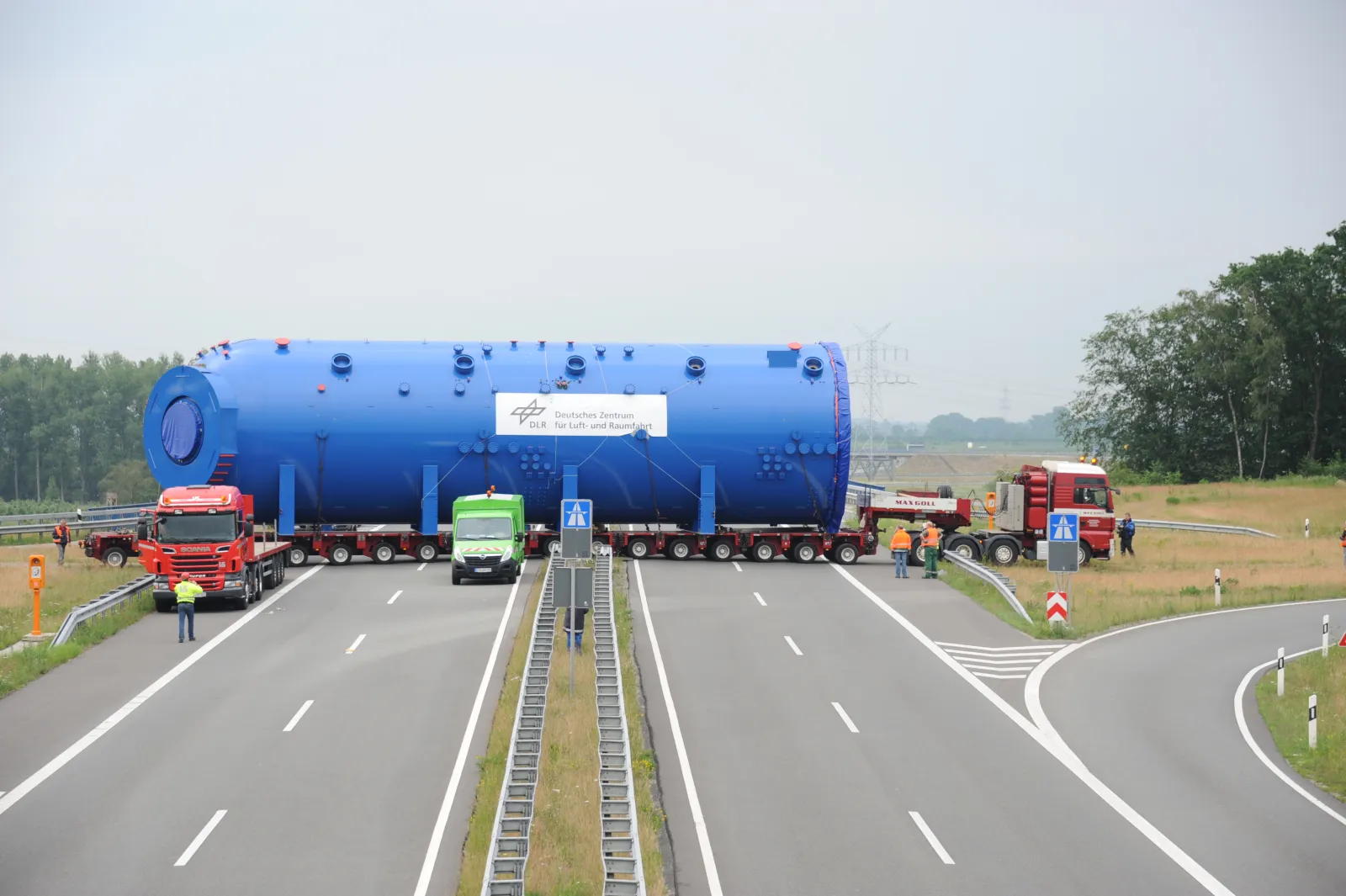
An export shipment of prepreg is a moving freezer, and the contract should say who owns each hour of out-life. By sea, the normal choice is a refrigerated container set at the producer's storage temperature; by air, insulated packaging with dry ice. Either way, a temperature logger should travel inside the pallet, and its file should arrive with the certificate of conformance, because the buyer cannot otherwise tell a freezer-fresh roll from one that sat warm at a transshipment port. Every day of an unrefrigerated excursion consumes 10% of Toray 3900's 10-day out-life or about 3% of 8552's 30 days (GetFRP estimate from [S1][S5]).
Dry ice is regulated dangerous goods for air transport. US rules, which implement the international air requirements, classify carbon dioxide, solid (dry ice) as Class 9, UN1845, allow up to 200 kg per package on both passenger and cargo aircraft, require packaging that vents carbon dioxide gas to prevent a pressure build-up, and require the net mass of dry ice to be marked on the package; the shipper must make arrangements with the operator, and packages with 2.5 kg or less used as refrigerant are largely excepted [S22][S23]. IATA's 68th edition of the Dangerous Goods Regulations, which incorporates the 2027–2028 ICAO Technical Instructions, notes that airline-specific dry-ice limits by aircraft type are handled in operator variations and company procedures [S24], so the forwarder must confirm the carrier's own limit before booking.
Receipt is where most cold-chain damage happens. Gurit requires rolls to warm in their sealed bags until the prepreg is above the dew point; at 25 °C and 60% relative humidity the dew point is 16.7 °C, at 30 °C and 70% it is 23.9 °C [S10]. Toray puts thaw time for a full roll of HX56 at 4 to 6 hours [S31]; Gurit says overnight for most rolls and longer for large ones [S10]. Moisture condensed on cold prepreg can wrinkle backing paper and affect interply adhesion [S10].
Write the cold chain into the purchase order
Specify the transit temperature and logger interval, require the logger file with the certificate of conformance, state the minimum remaining shelf life and out-life on arrival, and agree in advance that any excursion is charged against out-life at the logged temperature. For air freight, name the dry-ice quantity per package and confirm the airline's own limit; the 200 kg regulatory ceiling is not every operator's limit [S23][S24].
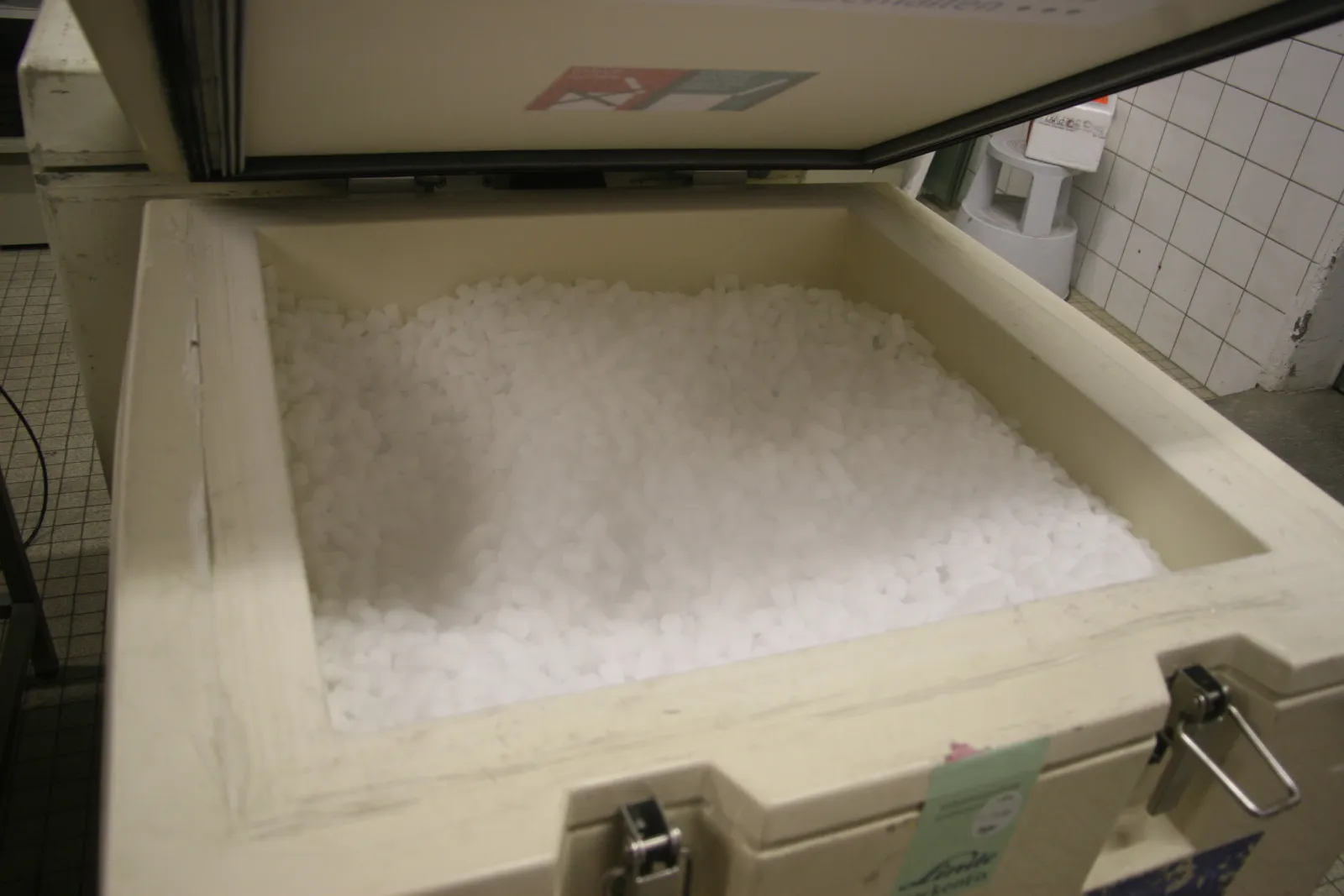
↔ Scroll horizontally to see the full diagram.
6. Chinese carbon fiber prepreg producers: who makes what, and at what scale
China's prepreg supply splits into two worlds that rarely overlap: aviation prepreg made inside the AVIC group and a few qualified independents, and a large industrial, sports and electronics market served by fiber makers and converters. AVIC Composite, the aviation materials subsidiary of AVIC Hi-tech, reported 2025 revenue of RMB 4.70 billion, down 1.45%, and a breakthrough increase in output of T800-class and higher prepreg and towpreg [S27]. Its Shenzhen Qingkuai World subsidiary claims an 80% share of prepreg for low-altitude aircraft, with 28 eVTOL companies as core customers, although it earned only RMB 25.3 million in 2025 because those customers are still in certification [S27].
Weihai Guangwei, the listed fiber-to-part group, sold 5.14 million m² of prepreg in 2025 for RMB 237.68 million, 8.3% of its revenue [S25]. It runs hot-melt lines up to 1,270 mm wide and solvent lines up to 1,550 mm, offers slit tape for fiber placement and tape laying, covers fibers from T300 to T1100 and M40J to M65J, holds a COMAC process-control (PCD) approval for flame-retardant prepreg production and led the drafting of China's carbon fiber prepreg national standard [S25]. Zhongfu Shenying, which reports China's largest high-performance carbon fiber capacity at 29,000 t, sold 25,054 t of fiber in 2025 and uses its Shanghai base for aviation prepreg; its SYT59G-12K fiber with Y603H prepreg has COMAC PCD pre-approval and is in component-level verification for the domestic airliner [S26]. Jiangsu Hengshen, quoted on the NEEQ and part of the Shaanxi Coal and Chemical Industry group, states capacity of 5,000 t of carbon fiber and 15 million m² of fabrics and prepreg a year, with T300- to T1000-class fiber [S28].
For a foreign buyer the implication is clear. Aerospace-grade Chinese prepreg exists, but it is qualified to Chinese airframe programs and largely sold inside them; export buyers will mostly source industrial, sports, drone and electronics grades, where Guangwei-scale producers and GetFRP-listed converters in Chengdu, Dongguan, Haining and Shanghai compete on price, width, fiber choice and lead time. China leads in fiber availability and price; where it lags is in internationally recognized qualification data, so ask for test reports on your cure cycle rather than relying on a Chinese airframe approval.
↔ Scroll horizontally to see the full chart and data table.
Source: Weihai Guangwei Composites, 2025 annual report [S25]. Prepreg revenue grew 1.75% while area sold fell 6.26% to 5,139,155 m²; other operating income of RMB 12.2 million omitted.
View the chart data and evidence
| Series | Category | Value | Unit | Evidence / value basis | Reported range | Point note |
|---|---|---|---|---|---|---|
| — | Carbon fiber and fabrics | 1457 | RMB million | Company data | — | — |
| — | Carbon spar-cap beams | 943.4 | RMB million | Company data | — | — |
| — | Prepreg | 237.7 | RMB million | Company data | — | — |
| — | Composite products and other | 209.3 | RMB million | Company data | — | — |
| Producer | Disclosed scale (year) | Prepreg capability | Qualification signal | GetFRP profile |
|---|---|---|---|---|
| AVIC Composite (AVIC Hi-tech, Beijing) | Revenue RMB 4.70 billion (2025) | Aviation resins, prepregs and towpreg; T800-class and above output growing | Aviation group supplier; Qingkuai World claims 80% of low-altitude aircraft prepreg [S27] | — |
| Weihai Guangwei Composites | Prepreg RMB 237.7 million, 5.14 million m² (2025) | Hot-melt to 1,270 mm, solvent to 1,550 mm; epoxy, BMI, cyanate ester, phenolic; slit tape | COMAC PCD for flame-retardant prepreg; led national prepreg standard [S25] | View profile |
| Zhongfu Shenying (Lianyungang; Shanghai base) | Fiber capacity 29,000 t; 25,054 t sold (2025) | Aviation prepreg development in Shanghai; T800-class prepreg standards work | Y603H prepreg with COMAC PCD pre-approval [S26] | View profile |
| Jiangsu Hengshen (Danyang) | 5,000 t fiber; 15 million m² fabrics and prepreg capacity (company statement) | Fiber to prepreg and parts; HF20 to HF50 series | Company states wind OEM supplier certification and defense and civil aviation work [S28] | — |
| Chengdu Luchen New Materials | not disclosed | Carbon, aramid and glass prepregs; fast-cure, flame-retardant, tooling prepreg; film adhesive | Directory profile | View profile |
| Dongguan YUTO New Material | not disclosed | 3K plain and twill carbon prepreg; 3C, drone and sports parts | Directory profile | View profile |
Source: Company filings and company statements as cited; capacities are nameplate, not output. 'Profile' opens the GetFRP supplier page where one exists.
7. How much does carbon fiber prepreg cost? Industrial and sports vs aerospace
Published prepreg prices are scarce, so the honest answer uses three kinds of evidence. Chinese filings give an average: Guangwei's prepreg revenue divided by area sold implies about RMB 46 per m² in 2025 and RMB 43 per m² in 2024, excluding VAT, across a mix that includes glass and aramid prepregs and wide variation in areal weight (GetFRP estimate from [S25]). Retail lists give a ceiling for small quantities: Easy Composites in the UK lists its 210 g/m² and 450 g/m² carbon twill out-of-autoclave prepregs at £58.53 to £65.26 per m² excluding VAT for short rolls in November 2026 [S12][S13]. Fiber cost gives a floor: Zhongfu Shenying's carbon fiber revenue divided by tonnes sold implies about RMB 87 per kg in 2025 (GetFRP estimate from [S26]), so a 193 g/m² prepreg carries roughly RMB 17 per m² of fiber before resin, conversion, film and yield.
Aerospace prepreg prices are set in long-term qualified supply agreements and are not published by Hexcel, Toray, Syensqo or AVIC. What the filings do show is scale: AVIC Composite's 2025 revenue of RMB 4.70 billion is about 20 times Guangwei's prepreg revenue (GetFRP estimate from [S25][S27]), even though Guangwei sells millions of square meters. The gap reflects qualification, fiber grade, testing and the price of a single approved source, not resin chemistry alone. Quote comparisons should therefore be normalized to the same fiber grade, FAW, resin content, width, roll length, packing and remaining life at delivery.
| Evidence | Value | Basis and date | Use |
|---|---|---|---|
| China producer average (Guangwei) | ≈RMB 43–46 per m² | Revenue ÷ m² sold, 2024–2025, excluding VAT [S25] | Volume industrial and sports benchmark; mixed fibers and weights |
| UK retail, carbon twill OOA prepreg | £58.53–65.26 per m² ex VAT | Short rolls, 210 and 450 g/m², November 2026 [S12][S13] | Small-quantity ceiling; not a contract price |
| China carbon fiber input | ≈RMB 87 per kg | Zhongfu Shenying fiber revenue ÷ tonnes sold, 2025 [S26] | Floor for the fiber share of a quote |
| Aerospace prepreg | not published | Program contracts; AVIC Composite revenue RMB 4.70 billion in 2025 [S27] | Expect qualification and testing to dominate price |
Source: GetFRP estimates are labeled; currencies are not converted because no exchange-rate basis is cited.
8. Is carbon fiber prepreg export controlled? China's dual-use list and US ECCN 1C010
On the Chinese side, the Dual-Use Items Export Control List issued under MOFCOM Announcement No. 51 of 2024 took effect on 1 December 2024, with five-character codes modeled on the Wassenaar Arrangement's categories [S20]. China's customs tariff carries a statistical line, 6815110010, for carbon fiber under dual-use export control that requires a dual-use export licence, according to a tariff database that compiles customs data [S21]. In practice an exporter of high-strength carbon fiber or prepreg made from it must classify the goods and, if listed, obtain a licence before shipment; buyers should ask for the exporter's written classification and licence status on every order of T800-class or higher material.
On the US side, the Export Administration Regulations control carbon fibrous materials under ECCN 1C010.b when specific modulus exceeds 14.65 × 10⁶ m and specific tensile strength exceeds 26.82 × 10⁴ m, with exclusions for civil-aircraft repair pieces of 1 m² or less and chopped fiber 25 mm or shorter [S16]. Prepregs fall under 1C010.e only if the fiber exceeds 10.15 × 10⁶ m and 17.7 × 10⁴ m and the resin meets a further test: a controlled resin, a phenolic with a DMA Tg of at least 180 °C, or another resin with a DMA Tg of at least 232 °C [S16]. A 180 °C epoxy with a 195 to 204 °C Tg does not meet that resin test unless its resin is itself listed under 1C008 or 1C009.b; a BMI with a 275 °C Tg on qualifying fiber would [S1][S2][S11]. The EAR controls exports and re-exports, not imports, so it matters most to a buyer who will ship the material or parts onward.
Applying the definitions to Toray's datasheets gives a screening view (GetFRP estimate: specific value = property ÷ (density × 9.80665)). T300 at 230 GPa, 3,530 MPa and 1.76 g/cm³ and T700S at 230 GPa, 4,900 MPa and 1.80 g/cm³ fall below the 1C010.b modulus threshold; T800S at 294 GPa, 5,880 MPa and 1.80 g/cm³ exceeds both thresholds [S17][S18][S19]. Classification is the exporter's legal responsibility and needs the actual fiber certificate, but the arithmetic shows why intermediate-modulus fiber triggers controls that standard-modulus industrial prepreg does not. In the US tariff schedule, carbon fibers, carbon fiber fabrics and other carbon fiber articles (6815.11 to 6815.13) carry a free general rate [S29]; prepreg classification varies between those lines and chapter 39, so obtain a ruling before calculating landed cost.
| Fiber | Modulus, GPa | Strength, MPa | Density, g/cm³ | Specific modulus, 10⁶ m | Specific strength, 10⁴ m | 1C010.b fiber (both > 14.65 and 26.82) | 1C010.e.1.b fiber test (both > 10.15 and 17.7) |
|---|---|---|---|---|---|---|---|
| T300 [S17] | 230 | 3,530 | 1.76 | 13.3 [estimate] | 20.5 [estimate] | No | Yes; resin test decides |
| T700S [S18] | 230 | 4,900 | 1.80 | 13.0 [estimate] | 27.8 [estimate] | No (modulus below) | Yes; resin test decides |
| T800S [S19] | 294 | 5,880 | 1.80 | 16.7 [estimate] | 33.3 [estimate] | Yes | Yes; resin test decides |
Source: Thresholds from 15 CFR part 774, supplement 1, ECCN 1C010 [S16]; fiber properties from Toray datasheets. GetFRP screening estimate, not a classification ruling.
9. Incoming inspection: DSC, resin content, flow, gel time and the Chinese test standards
Incoming inspection confirms that the roll is the material that was qualified and that it has not aged in transit. The NCAMP specification shows a workable plan: resin content and FAW on every roll, volatiles, flow and tack on the first and last rolls of every batch, with gel time, HPLC, infrared and DSC exotherm available against the qualified product's fingerprint [S8]. ASTM D3529 determines fiber content, FAW, matrix content and matrix solids, by solvent extraction for soluble thermoset matrices or by ignition loss, with volatiles measured under ASTM D3530 [S30]. DSC is the fastest check for advanced cure: a reduced reaction enthalpy or shifted onset signals out-time damage, which is how the NASA study tracked 977-3 aging [S6].
Chinese suppliers test to national and aviation standards that map onto the ASTM set. GB/T 32788, issued in 2016 and in force since May 2017, covers prepreg gel time, resin flow, volatile content, tensile strength, resin content and areal mass in Parts 1 to 6; GB/T 36532-2018 covers cure characteristics of thermoset molding compounds and prepregs; GB/T 28461-2012 is the product standard for carbon fiber prepreg [S14]. The aviation series HB 7736-2004 adds Parts 1 to 8 for general rules, areal mass, fiber areal mass, volatiles, resin content, resin flow, gel time and tack [S15]. Ask which standard and procedure were used, because solvent extraction and ignition-loss results are not interchangeable.
| Property | International method | Chinese national standard | Chinese aviation standard | Example acceptance limit |
|---|---|---|---|---|
| Resin content | ASTM D3529 [S30] | GB/T 32788.5-2016 | HB 7736.5-2004 | 37 ± 2% average, ± 3% individual (NMS 532/6) [S8] |
| Fiber areal weight / areal mass | ASTM D3776 or SACMA SRM 23R-94 | GB/T 32788.6-2016 | HB 7736.2 and 7736.3-2004 | 193 ± 8 g/m² average, ± 9 individual [S8] |
| Volatile content | ASTM D3530 | GB/T 32788.3-2016 | HB 7736.4-2004 | No more than 2% [S8] |
| Resin flow | ASTM D3531 | GB/T 32788.2-2016 | HB 7736.6-2004 | 3–15% average [S8] |
| Gel time | ASTM D3532 | GB/T 32788.1-2016 | HB 7736.7-2004 | Optional; against qualification fingerprint [S8] |
| Tack | Supplier method | not covered | HB 7736.8-2004 | Level IV (NMS 532/6) [S8] |
| Cure state (DSC) | SACMA SRM 25R-94 | GB/T 36532-2018 (cure characteristics) | not covered | Exotherm peak and total heat against qualified values [S8] |
Source: NCAMP NMS 532/6 [S8]; ASTM [S30]; SAMR standards registry [S14]; national digital library record for HB 7736 [S15].
10. Carbon fiber prepreg RFQ checklist
Use the list below as the technical annex to a prepreg RFQ. Every line is a requirement a supplier can price and an inspector can verify on arrival.
- 1. Material identity: fiber grade and tow (for example T700S-12K or T800S-24K), weave or UD, FAW with tolerance (for example 193 ± 8 g/m² average), resin system name and batch-traceable specification.
- 2. Resin content: nominal and tolerance by ASTM D3529 or GB/T 32788.5, for example 37 ± 2% average and ± 3% individual, sampled left, center and right across the width [S8].
- 3. Volatiles, flow, gel time and tack: volatiles no more than 2% (ASTM D3530 or GB/T 32788.3), flow window (for example 3–15%), gel time and tack level, with test methods named [S8].
- 4. Cure cycle: the cycle the data were generated on, for example 110 °C × 60 min then 180 °C × 120 min at 7 bar for an 8552-class system [S1], and laminate data (Tg by DMA, cured ply thickness) on that cycle.
- 5. Life on arrival: minimum remaining shelf life (for example at least 9 of 12 months) and full out-life on delivery, with the date of manufacture on every roll label [S1][S2].
- 6. Cold chain: transit temperature, logger in every pallet with its file sent before release, excursion rules, and for air freight the dry-ice quantity per package and carrier confirmation (UN1845, Class 9, at most 200 kg per package) [S22][S23][S24].
- 7. Packaging: sealed moisture-proof bag, roll supported on its core, A-frame or end-suspended packing, desiccant, and a thaw instruction (warm in the bag above dew point) [S10].
- 8. Format: width (up to 1,270 mm hot-melt and 1,550 mm solvent at Guangwei), roll length, interleaf type, slit-tape width and tolerance for AFP or ATL (3.175, 6.35, 12.7 mm or 75, 150, 300 mm) [S25].
- 9. Certificates: certificate of conformance per batch with resin content, FAW, volatiles and DSC; fiber certificate with modulus, strength and density.
- 10. Export status: written export-control classification from the exporter (China dual-use list) and, for onward shipment from the US, the ECCN under 1C010 or 1C990 [S16][S20][S21].
- 11. Commercials: price per m² and per kg at stated resin content, minimum order, lead time, Incoterm, HS code proposed and duty basis.
Frequently asked questions
What is the shelf life of carbon fiber prepreg?
It depends on the system and freezer temperature. Hexcel rates HexPly 8552 and M21 at 12 months at −18 °C from the date of manufacture and its fast-cure M77HF at 18 months; Toray rates 2510, 3900 and 3960 at 24 months at −12 °C or colder; Toray's HX56 tooling prepreg at only 6 months at −18 °C. Shelf life only runs while the sealed roll stays frozen.
What is prepreg out-life (out-time)?
Out-life is the maximum accumulated time at room temperature between removal from the freezer and cure. Aerospace epoxies in this review range from 10 days (Toray 3900) through 28–30 days (Toray 2510, HexPly 8552, M21) to 40 days (Toray 3960). Tack life is shorter: 10 days for 8552. Every hour in transit or thawing counts against it.
How is prepreg shipped internationally?
By refrigerated container at the producer's storage temperature for sea freight, or insulated packaging with dry ice for air freight, with a temperature logger in each pallet. Dry ice is UN1845, Class 9, limited to 200 kg per package on passenger and cargo aircraft, must vent carbon dioxide and must have its net mass marked; airlines can set lower limits.
What is the difference between UD and woven carbon prepreg?
UD tape puts all fiber in one direction and gives thin, efficient plies: HexPly 8552 at 134 g/m² and 35% resin cures to 0.130 mm per ply at about 57% fiber volume. Woven fabric drapes better and resists handling damage but carries more resin: 193 g/m² plain weave at 37% resin cures to 0.195 mm at about 55% fiber volume.
Should I choose a 120 °C or 180 °C cure prepreg?
Choose by service temperature and tooling. 120–135 °C systems such as Toray 2510 (dry Tg 146 °C) cure in ovens on cheaper tools and suit industrial, sports and many OOA parts. 180 °C toughened epoxies such as HexPly 8552 (dry Tg 200 °C, wet 154 °C) or M21 (Tg 195 °C) are for primary aerostructures and need autoclave-grade, CTE-matched tools.
How much does carbon fiber prepreg cost in China?
Guangwei's 2025 filing implies about RMB 46 per m² average (RMB 43 in 2024), excluding VAT, across a mixed product range (GetFRP estimate). Small UK retail rolls of carbon twill OOA prepreg list at £58.53–65.26 per m² ex VAT in November 2026. Aerospace prepreg prices are contract-specific and not published.
Is carbon fiber prepreg export controlled?
Often, for high-strength grades. China requires a dual-use export licence for listed carbon fiber under its 2024 control list. Under US ECCN 1C010, carbon fiber is controlled above 14.65 × 10⁶ m specific modulus and 26.82 × 10⁴ m specific strength (T800S qualifies, T700S does not), and prepregs only if the resin also meets a Tg test, such as a non-phenolic resin with DMA Tg of 232 °C or more.
What tests should I run on incoming prepreg?
Resin content (ASTM D3529 or GB/T 32788.5) and fiber areal weight on every roll; volatiles (ASTM D3530, typically 2% maximum), resin flow (ASTM D3531) and tack on first and last rolls of each batch; gel time (ASTM D3532) and DSC exotherm against the qualified fingerprint to detect out-time damage.
Sources and scope
Figures were cross-checked against primary documents where available; secondary citations are marked in each scope note. Company figures are reported as disclosed by the companies themselves. This note is an independent market assessment and not investment advice.
- [S1]Hexcel, HexPly 8552 epoxy matrix product data sheet (EU, 2023 edition)
Toughened amine-cured epoxy; UD 134 g/m² at 35% resin, 0.130 mm CPT, 57.4% fiber volume; fabric 193 g/m² at 37%; Tg dry 200 °C, wet 154 °C; cure cycles at 7 and 3.2 bar; tack 10 days, out 30 days, shelf 12 months at −18 °C, with definitions.
- [S2]Hexcel, HexPly M21 product data sheet (global)
180 °C very tough epoxy; Tg 195 °C; cures for under 15 mm and 15–48 mm laminates; tack 10–15 days, out 30 days at 23 °C, shelf 12 months at −18 °C.
- [S3]Hexcel, HexPly M77HF quick-cure epoxy product data sheet
Cure 3 min at 149 °C, 6 min at 127 °C, 10 min at 121 °C; Tg 130 °C; shelf 18 months at −18 °C, out 30 days, tack 10 days.
- [S4]Toray Composite Materials America, 2510 prepreg system data sheet
OOA epoxy, 121–132 °C cure, Tg 146 °C dry and 131 °C wet; out life 28 days at 22 °C; freezer life 24 months below −12 °C; vacuum holds and leak limit under 2 inHg in 5 minutes. Lot averages, not for specification.
- [S5]Toray Composite Materials America, aerospace prepreg selector guide
Cure temperature, time, dry Tg, out life at 72 °F and storage life at 10 °F or below for 2510, 2511, 3900, 3960 and 4000 systems.
- [S6]Miller et al., Out-life characteristics of IM7/977-3 composites, NASA Glenn and Langley (NTRS 20110016110)
Manufacturer out-time limit of 30 days; aging to 60 days at room temperature still gave quality autoclave laminates; DSC, rheology and tack methods; 177 °C × 360 min cure used in the study.
- [S7]NCAMP / NIAR, NPS 85321 Rev D process specification for CYCOM 5320-1 panels (12 August 2025)
Vacuum-bag-only cure: at least 28 inHg, leak check no more than 1 inHg in 5 minutes, 4–16 h pre-cure vacuum hold, 121 °C and 177 °C holds started on the lagging thermocouple.
- [S8]NCAMP / NIAR, NMS 532/6 Rev A material specification, CYCOM 5320-1 T650 3K-PW (September 2016)
Acceptance limits: resin content 37 ± 2% average and ± 3% individual (ASTM D3529), FAW 193 ± 8/9 g/m², volatiles, flow 3–15% (ASTM D3531), gel time, tack Level IV, DSC; laminate Tg 180–200 °C.
- [S9]Mitsubishi Chemical Advanced Materials, prepregs product overview (January 2024)
CP-series industrial epoxy, furan and phenolic prepregs: out-life 3–42 days at room temperature, cure 70–180 °C, onset Tg 115–205 °C, press pressures.
- [S10]Gurit, epoxy prepreg processing guide (December 2025)
Storage at −18 °C, per-roll out-time records, defrosting in the sealed bag above dew point, dew-point table, tack versus temperature and humidity, process records.
- [S11]Hexcel, HexTool M61 BMI prepreg tooling compound data sheet
BMI system: minimum initial cure 190 °C, post-cured dry Tg 275 °C, 20-day work life at 21 °C, 12-month storage at −18 °C; used here as the BMI example.
- [S12]Easy Composites, XC110 210 g 2x2 twill 3K prepreg carbon fiber product page (accessed 3 November 2026)
Retail price £58.53 per m² ex VAT for the default roll; 210 g/m², 42% resin, 85–120 °C cure, 30-day out life at 20 °C, 12-month freezer life at −18 °C. Retail, small quantities.
- [S13]Easy Composites, XC130 450 g 2x2 twill 12K prepreg carbon fiber product page (accessed 3 November 2026)
Retail price £65.26 per m² ex VAT (1 m roll inferred); 450 g/m², 38% resin, 80–120 °C cure, 30-day out life, 12-month freezer life. Retail, small quantities.
- [S14]SAMR national standards registry (openstd), prepreg standards in force
GB/T 32788.1–6-2016 prepreg test methods, GB/T 36532-2018 cure characteristics, GB/T 41488-2022 prepreg terms, GB/T 43308-2023 glass-fiber thermoplastic UD prepreg, GB/T 28461-2012 carbon fiber prepreg, GB/T 27797.4-2013, GB/T 25043-2010; status and dates.
- [S15]National Digital Library of Standards (NDLS), HB 7736.5-2004 record with related parts
HB 7736.1–8-2004 test methods for physical properties of composite prepreg (general, areal mass, fiber areal mass, volatiles, resin content, flow, gel time, tack), issued 16 February 2004, in force.
- [S16]Electronic Code of Federal Regulations, 15 CFR part 774 supplement 1 (Commerce Control List), ECCN 1C010 and 1C990
1C010.b carbon fiber thresholds (14.65 × 10⁶ m, 26.82 × 10⁴ m), exclusions, 1C010.e prepreg criteria (10.15 × 10⁶ m, 17.7 × 10⁴ m plus resin and DMA Tg tests), ISO 10618 Method A, 1C990 AT-only entry.
- [S17]Toray Composite Materials America, T300 carbon fiber data sheet
Tensile strength 3,530 MPa, modulus 230 GPa, density 1.76 g/cm³ (typical).
- [S18]Toray Composite Materials America, T700S carbon fiber data sheet
Tensile strength 4,900 MPa, modulus 230 GPa, density 1.80 g/cm³ (typical).
- [S19]Toray Composite Materials America, T800S carbon fiber data sheet
Tensile strength 5,880 MPa, modulus 294 GPa, density 1.80 g/cm³ (typical).
- [S20]CIRS Group, summary of MOFCOM Announcement No. 51 of 2024 on the Dual-Use Items Export Control List
Issuing agencies, 15 November 2024 issue date, 1 December 2024 effective date, ten domains and five-character coding. Secondary summary of the official announcement; does not list carbon fiber entries.
- [S21]HSCIQ customs tariff database, China tariff line 6815110010 (carbon fiber under dual-use export control)
Supervision condition 3 (dual-use export licence), MFN import rate, export rebate, threshold wording as compiled. Third-party compilation of customs data; confirm with the exporter's declaration.
- [S22]Electronic Code of Federal Regulations, 49 CFR 173.217, carbon dioxide, solid (dry ice)
Venting packaging, net mass marking for air, operator arrangements, documentation (Class 9, UN1845), 2.5 kg exception.
- [S23]Electronic Code of Federal Regulations, 49 CFR 172.101 Hazardous Materials Table, entry UN1845
Carbon dioxide, solid or dry ice: Class 9, UN1845, 200 kg per package on passenger aircraft and on cargo aircraft.
- [S24]IATA, Significant changes and amendments in the 68th edition of the Dangerous Goods Regulations (2027)
Incorporates the 2027–2028 ICAO Technical Instructions; operator variations on dry-ice limits by aircraft type moved to company procedures.
- [S25]Weihai Guangwei Composites, 2025 annual report (SZSE 300699, 31 March 2026)
Prepreg revenue RMB 237.68 million (+1.75%), 5,139,155 m² sold, production 5,475,867 m²; revenue by product; hot-melt and solvent widths; slit-tape widths; resin families; COMAC PCD approval; national prepreg standard role.
- [S26]Zhongfu Shenying Carbon Fiber, 2025 annual report (SSE 688295, 26 March 2026)
Capacity 29,000 t; 25,054 t sold; carbon fiber revenue RMB 2,168.6 million; Shanghai aviation prepreg base; Y603H prepreg COMAC PCD pre-approval.
- [S27]AVIC Aviation High-Technology (AVIC Hi-tech), 2025 annual report (SSE 600862, 14 March 2026)
AVIC Composite revenue RMB 4,696.28 million (−1.45%), T800-class prepreg and towpreg output; Shenzhen Qingkuai World 80% low-altitude prepreg share claim, 28 eVTOL customers, RMB 25.29 million revenue.
- [S28]Jiangsu Hengshen Co., company profile (NEEQ 832397)
Danyang, Jiangsu; Shaanxi Coal subsidiary; stated capacity 5,000 t carbon fiber, 15 million m² fabrics and prepreg, HF20–HF50 fiber series. Company statement.
- [S29]US International Trade Commission, Harmonized Tariff Schedule, heading 6815 (REST query, November 2026)
6815.11.00 carbon fibers, 6815.12.00 fabrics of carbon fibers, 6815.13.00 other articles of carbon fibers: general rate free. Section 301 and other chapter 99 measures must be checked separately.
- [S30]ASTM D3529-16 (reapproved 2021), Standard test methods for constituent content of composite prepreg
Fiber, FAW, matrix and matrix solids content by solvent extraction (Procedure A) or ignition loss (Procedure B); volatiles under ASTM D3530.
- [S31]Toray Advanced Composites, AmberTool HX56 tooling prepreg product data sheet v4.0 (25 January 2021)
Storage life 6 months at −18 °C; out life 60 hours at 18 °C in roll form, 12 hours less pre-cut; full-roll thaw 4–6 hours before opening the bag.
Image provenance and usage terms appear in each caption; see image credits. Submit a source correction.





